
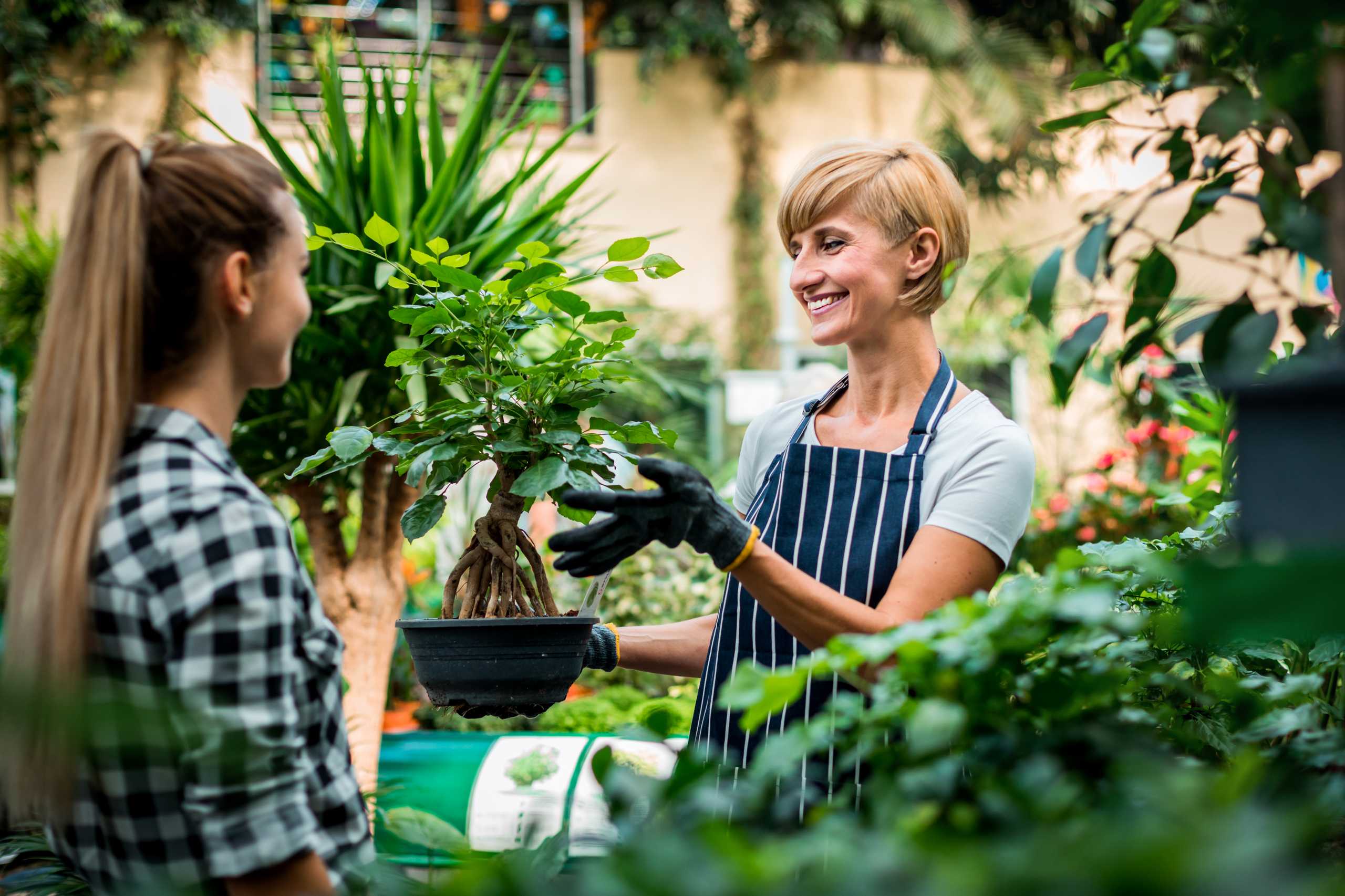
Creating a Green Oasis in Your Backyard
A thriving garden doesn’t happen by chance; it’s the result of careful planning, consistent care, and understanding the unique needs of your plants. Whether you have a small balcony or a sprawling backyard, following the right strategies can turn any space into a lush, vibrant oasis.
1. Understanding Your Soil
Healthy soil is the foundation of every successful garden. Begin by testing the pH and nutrient content of your soil. Add organic compost, mulch, or natural fertilizers to improve texture and nutrient availability. Well-prepared soil not only supports plant growth but also helps retain moisture and resist pests.
2. Choosing the Right Plants
Select plants that are suited to your climate, sunlight, and available space. Native plants are often easier to maintain and more resilient. Consider a mix of perennials and annuals to ensure year-round greenery and blooms. Strategic plant placement can enhance aesthetics and optimize growth conditions.
3. Watering Wisely
Watering isn’t just about quantity—it’s also about timing and method. Early morning watering reduces evaporation and ensures roots absorb moisture effectively. Drip irrigation or soaker hoses deliver water directly to the soil, minimizing waste and preventing foliage diseases. Consistent moisture promotes strong root systems and healthy foliage.
4. Seasonal Care Tips
Gardening is a year-round commitment. Spring is ideal for planting and pruning, while summer requires careful irrigation and pest monitoring. Autumn is the time to prepare soil for the next season, and winter can be used for indoor plant care or garden planning. Understanding seasonal cycles helps plants thrive continuously.
5. Encouraging Biodiversity
Introduce beneficial insects like ladybugs and bees to maintain ecological balance. Companion planting can deter pests naturally, reduce chemical use, and enhance soil fertility. Creating a diverse garden encourages natural resilience and supports a healthy micro-ecosystem.
6. Regular Maintenance
Routine maintenance prevents small problems from becoming major issues. Remove dead leaves, trim overgrown branches, and inspect plants for signs of disease. Keeping your garden tidy not only improves aesthetics but also boosts plant health and longevity.
Conclusion
A thriving garden is built on knowledge, patience, and attention to detail. By understanding your soil, selecting suitable plants, watering wisely, following seasonal care routines, and encouraging biodiversity, you can create a vibrant, sustainable garden space. Every gardener’s effort, no matter how small, contributes to a flourishing green environment.