Bringing Nature Into Your Home
Even in apartments or homes with limited outdoor space, you can cultivate thriving greenery indoors. Indoor gardening improves air quality, enhances well-being, and allows you to enjoy fresh herbs, vegetables, and decorative plants year-round. With thoughtful planning and proper care, small spaces can become vibrant green havens.
1. Choosing the Right Plants
Select plants that thrive indoors, such as pothos, spider plants, or succulents. Consider light requirements, growth patterns, and humidity preferences. By understanding the needs of each plant, you ensure they remain healthy and vibrant in limited light or compact areas.
2. Maximizing Light Exposure
Natural light is crucial for indoor plants. Place plants near windows with adequate sunlight, and rotate them regularly to ensure even growth. For rooms with minimal sunlight, supplement with LED grow lights that provide the necessary spectrum for photosynthesis.
3. Soil and Pot Selection
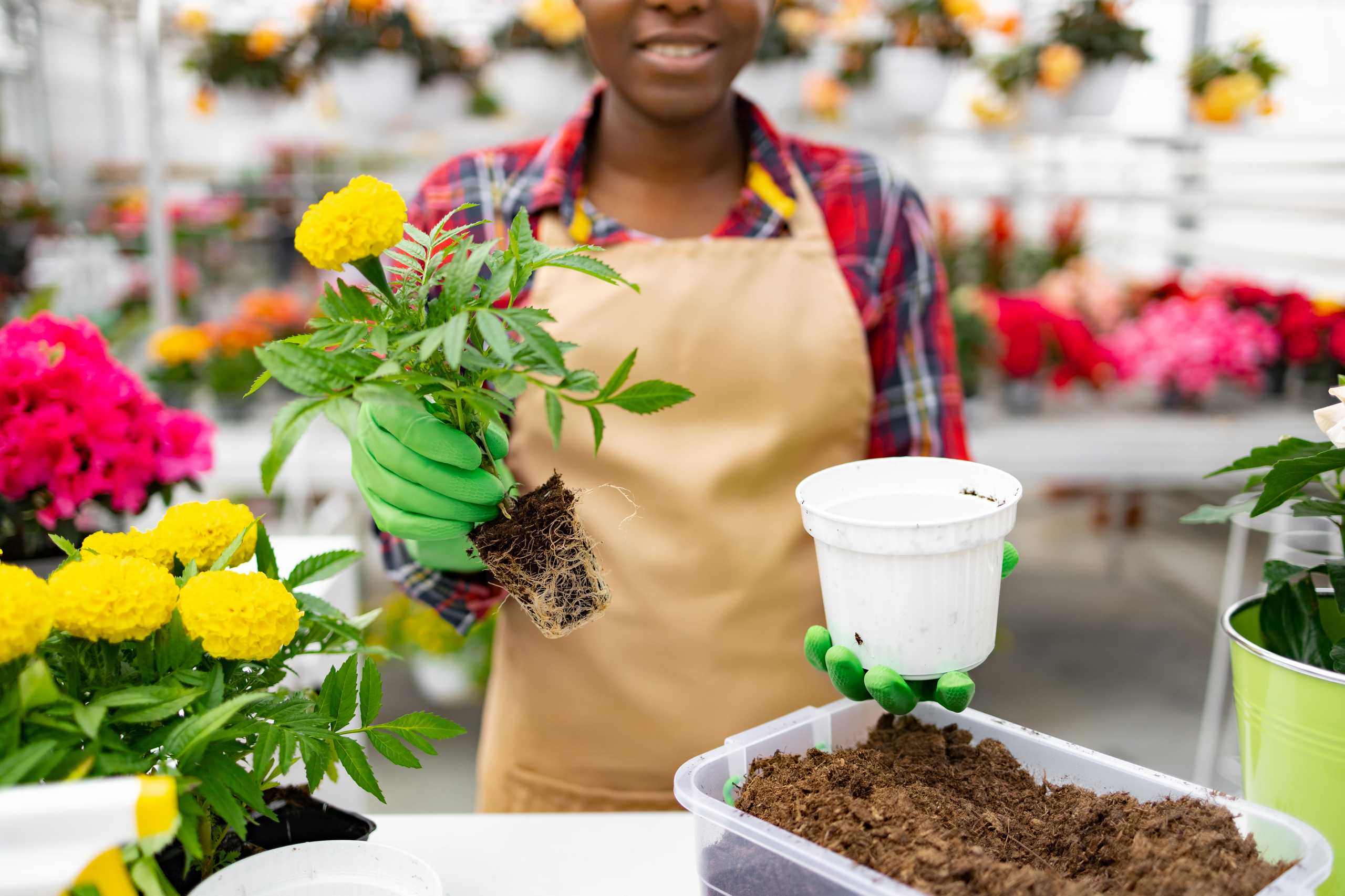
Use well-draining potting mixes suitable for indoor plants. Select pots with drainage holes to prevent waterlogging, which can cause root rot. Matching the pot size to the plant’s growth stage encourages healthy root development and reduces maintenance issues.
4. Watering and Humidity
Indoor plants require careful watering practices. Overwatering is a common mistake; check soil moisture before watering. Maintain humidity levels with pebble trays, misting, or small humidifiers. Proper hydration keeps foliage healthy and reduces stress on the plant.
5. Fertilizing and Nutrient Care
Indoor plants need nutrients to thrive, especially in containers with limited soil. Use balanced, water-soluble fertilizers at recommended intervals. Organic options, such as compost tea or diluted fish emulsion, provide essential nutrients while maintaining a natural growth cycle.
6. Pest Control Indoors
Even indoor plants can face pests like aphids, spider mites, or fungus gnats. Inspect plants regularly, remove affected leaves, and treat infestations with natural remedies, such as neem oil or insecticidal soap. Maintaining cleanliness around plants reduces pest risk.
Conclusion
Indoor gardening is accessible and rewarding, even in the smallest spaces. By choosing the right plants, maximizing light, maintaining proper soil and watering routines, providing nutrients, and managing pests carefully, you can cultivate a healthy, beautiful indoor garden. Consistent care transforms limited spaces into thriving green sanctuaries.